
UK car history check only £9.99 – check any vehicle instantly
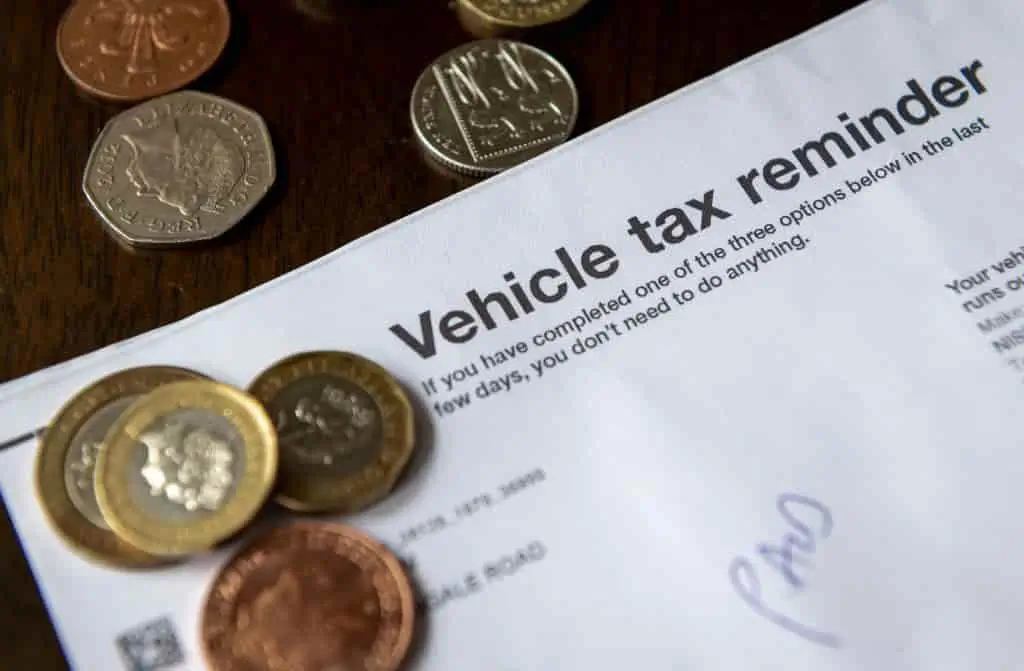
From 1 April 2026, the UK government will introduce higher Vehicle Excise Duty (VED), also known as road tax, for most drivers. The changes will affect petrol, diesel, hybrid and electric vehicles alike. As part of the government’s ongoing approach to linking vehicle tax with emissions, many motorists are likely to see their annual road tax increase in the 2026/27 tax year.
In this article, we’ll look at the changes to Vehicle Excise Duty, explain how the updated system will work, outline the rate increases announced so far, and share what drivers and dealers should be aware of before the changes come into force in April.
You can use Full Car Checks to run a car history check and find out the road tax status of any GB registered vehicle.
Before we look at how the VED changes will impact your bills, it’s first critical for us to outline what this tax actually is. After all, the range of different taxes that you’ll be liable for as a driver can feel a little overwhelming. Still, the VED is relatively simple overall, although there are several factors influencing the amount you pay.
The amount you’ll pay on road tax is generally influenced by several factors; these can include fuel type, CO2 emissions, price, and the age of the vehicle.
Unfortunately, road tax is going up for this year, and it’s important to know how this will impact you. For one thing, the basic annual rate is going to be increasing; fortunately, this is only a slight change, up by £5 for cars after their first year on the road. All car types will incur the same increase.
Additionally, so-called “showroom tax” for new cars is also set to increase. This is more complex, as the price depends on the car. However, for the highest CO2 emission vehicles (those emitting 255g/km or more), this will jump to over £5k. Ouch - not a welcome change for many new car buyers.
Needless to say, then, this could undoubtedly make the appeal of buying second-hand feel much greater overall. With that being said, though, used cars aren’t always a safer bet. Indeed, many can have a far more colourful history than may be obvious. Luckily, by running a car history check before you buy, you can double check what the vehicle has done; in turn, this can give you a clearer understanding of the car’s life and any potential faults or issues.
There’s also the massive change to electric car taxes to consider: the withdrawal of electric exemptions. Indeed, EVs previously enjoyed a zero-emissions exemption from road tax. However, the new changes mean that electrics over a year will also have to pay VED tax. This is no doubt a massive blow to people who invested in EVs for the tax benefits they could offer. However, there is one minor benefit for those buying new electric cars: an increase to the expensive car supplement. Previously, this tax applied to cars above £40,000. Going forwards, this increases to £50,000 for electrics (while staying at £40,000 for petrol and diesel cars). This benefit will primarily help new car buyers over those investing in second-hand models, though.
With all of these changes, it’s pretty daunting to think about how much your new VED will cost. Still, knowing the charge is crucial, and it’s actually very easy to check. Simply head to the gov.uk website and find the vehicle tax checker tool. Then, simply enter the car’s registration number, and this should bring up the applicable rate for your car.
The final figure should be the payable rate from the next renewal; so, don’t be surprised if it’s higher than your previous tax bill. This should help give you a little more transparency on the new VED rates and how they relate to you.