
UK car history check only £9.99 – check any vehicle instantly
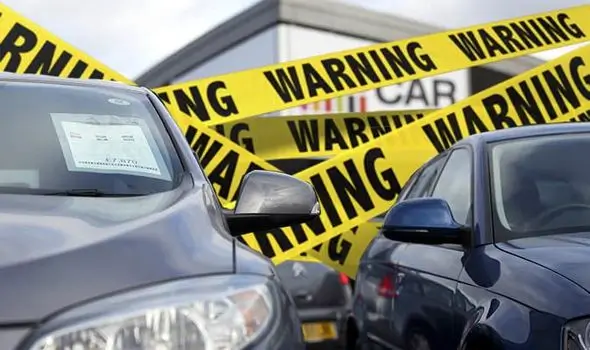
Scammers are getting ever-more crafty in their techniques. Indeed, while scams in the past used to look pretty obvious, this isn’t the case anymore. And, while there are plenty of scams out their still that scream red flags, others are much harder to spot. Given this thought, it’s paramount to keep your wits about you when buying a used car; after all, with car scams on the rise, there’s rarely been a riskier time to buy second-hand.
That doesn’t mean you need to avoid used cars entirely, though; indeed, with the right approach, you can find your ideal second-hand car that’s genuine, not fake.
There are countless different car scams out there. Now, some of these are pretty simple and only have a minor impact on the value of a car. For example, some sellers may attempt to hide that a car’s been touched up after a scrape. However, other scams can be much more blatant - and more dangerous.
Perhaps the most obvious type of car scam is when a seller attempts to sell you a car that doesn’t even exist! They may have used stolen photos (or just photo’d a random car on the street). Fortunately, this is also the easiest scam to avoid. Never hand over any money until you’ve seen and verified the car in person for yourself.
However, other scams are much less obvious. A stolen car, for example, may appear to be genuine because you can see it in person. The seller may even give you a copy of the logbook - however, this is likely a fraudulent V5C. To this end, you should always take a close look for any discrepancies. Furthermore, verify the logbook’s VIN matches that of the car.
Other common scams include trying to cover up that a car is damaged (potentially even a write off). Repair work can do wonders for even an almost-destroyed vehicle, so don’t just trust it’s okay because it looks fine. Similarly, always double check the mileage; clocking the mileage (reducing the mileage record without informing the buyer) is illegal. Alas, it’s also very easy for scammers to do.
So, there’s danger out there for sure. But what can you do about this? Well, with a careful approach and by verifying the seller, you can avoid second-hand car scams.
First of all, always do your research into the seller. Check their address details match that of the logbook, and if you found them on social media, see if their page is genuine. Of course, many people keep their posts private. That said, a new social media user is much less likely to be legit.
Moreover, make sure you run a car history check with Full Car Checks before handing over any money. These take a matter of minutes to run and allow you to verify the seller’s claims. For example, car history checks highlight mileage records, MOT history, vehicle information, and much more. They can also flag whether a car is reported stolen, potentially allowing you to avoid a very costly mistake.
And, if it seems too good to be true, don’t risk it. It’s not worth the risk. Any red flags - walk away.